
Wildfire Season Is Here — Is Your Home's Air Safe to Breathe?
Wildfire season in the US is not a local threat to dense forests, but rather an air quality crisis nationwide. Millions of Americans have a question about whether the air inside their home is safe to inhale when the external air is toxic. Locking doors and shutting windows aren't enough. Since smoke is an intrusive force, protecting the household requires learning what you are up against and taking proactive measures to clean the indoor air. Keep reading to find out if your home’s air is safe to breathe in wildfire season.
What are the Elements of Wildfire Smoke?
Wildfires can create a complicated toxic mixture of microscopic debris and gases when they consume grasslands and forests. The most dangerous element of smoke is PM2.5. Since such particles are so tiny, the human body’s natural defense mechanisms, like the nose hair, can't filter them out. PM2.5 passes deep into the lungs and can also enter the bloodstream as you inhale wildfire smoke.
Short-term exposure to smoke may cause quick effects such as burning eyes, scratchy throats, continuous coughing, headaches, sinus irritation, shortness of breath, and fatigue. The stakes are quite higher for vulnerable populations such as the elderly, kids, pregnant females, and people with respiratory/cardiovascular diseases, like COPD/asthma. Wildfire smoke may cause critical strokes, heart attacks and asthma attacks.
The Myth of Indoor Air
As local authorities issue air quality alerts asking residents to stay indoors, the walls in a home tend to work as an impenetrable protection. Indoor air is hardly a safe place by default. Homes aren't airtight bubbles. External air leaks in houses via gaps around electrical outlets, plumbing fixtures, windows, and doors via a process called infiltration.
You can actively pump smoke into your living room if you have a centralized HVAC system that extracts fresh outdoor air with no sufficient filtration. According to studies, indoor particle matter levels can reach approximately 70% of external levels in homes with improper filtration during extreme wildfire events. Thus, the internal environment gets hazardous if the external environment is hazardous.
The Functioning of an Air Purifier
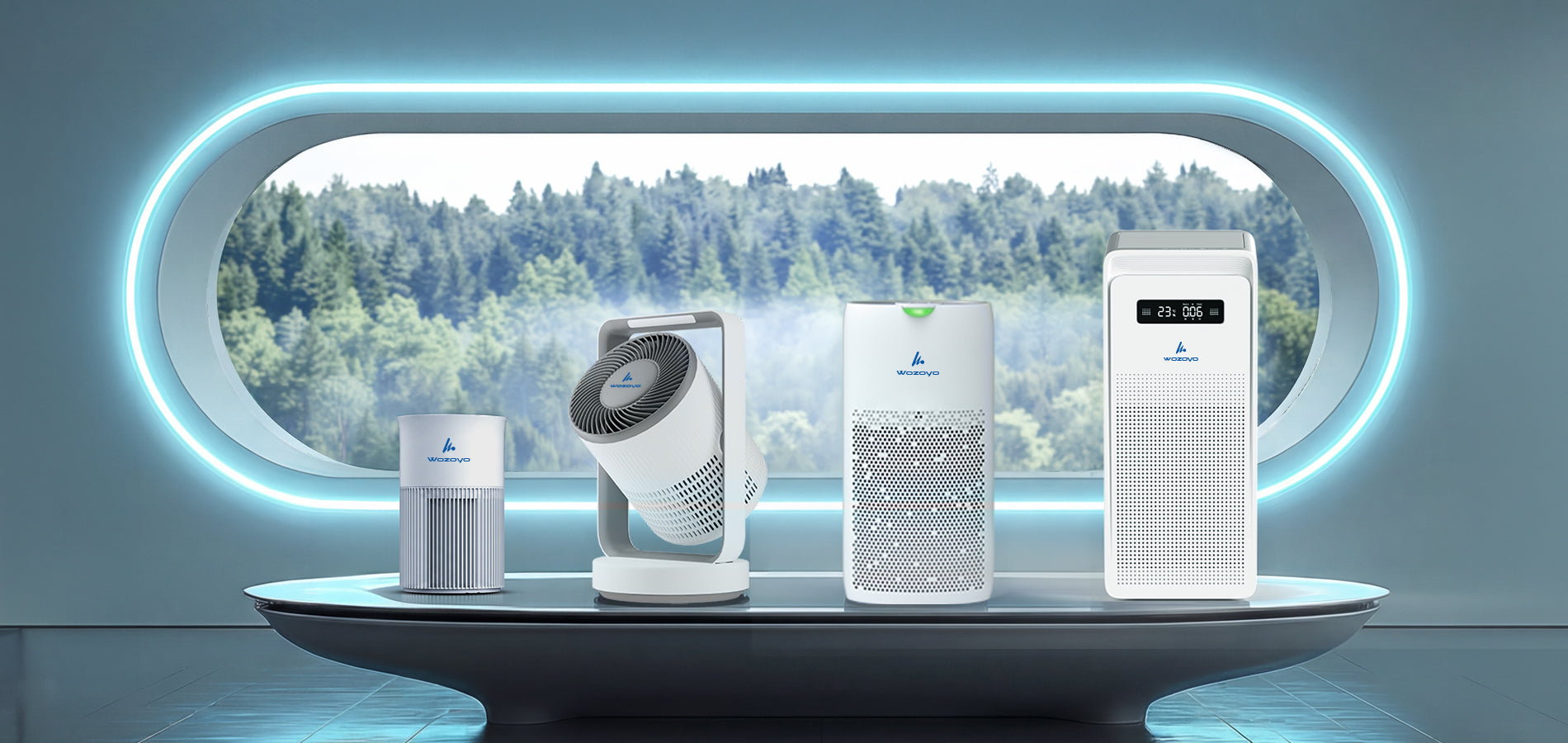
When shutting the windows doesn't reclaim the internal air quality, the most effective solution is to install a portable air purifier. It is designed with a True High Efficiency Particulate Air (HEPA) filter that is equipped to control the wildfire smoke’s microscopic destruction. A True HEPA filter can extract 99.97% of airborne elements as small as 0.3 micrometers. It can easily capture the hazardous PM2.5 particles, which create wildfire smoke, and prevent them from accumulating in the lungs.
How to Choose the Right Air Purifier for Smoke
Not all air purifiers function the same. Check these two features below when buying an air purifier to control the wildfire season.
1. Activated Carbon Filter
A HEPA filter stops solid particles and can't trap odors, gases, or VOCs such as formaldehyde and benzene in smoke. An attached activated carbon filter works like a sponge for such toxic gases, which eliminates both the strong smell of smoke and chemical hazards.
2. True HEPA Filtration
Avoid buying filters labelled as “HEPA-like” or “HEPA-type” since they don't meet the strict rules required to attract the tiniest smoke elements. Plus, check the Clean Air Delivery Rate (CADR) and room size rating. An air purifier can effectively clean air if it’s perfectly sized for the square footage of the room it is in. It is advisable to keep a high-capacity device in your room where you live most of the time, such as the living room and bedroom, for wildfire smoke.
How to Maximize the Efficiency of an Air Purifier?
Since operating an air purifier is your Most Valuable Player (MVP) in the tassel against smoke, you can boost its efficiency by taking these steps below:
1. Upgrade HEPA Filter
Change the fan setting from “AUTO” to “ON” so the air consistently circulates via the filter if your home has a central cooling and heating system. Update your normal fiberglass filter to a pleated filter with a MERV rating of 13+. Such filters are sufficiently dense to attract a big portion of wildfire particles before they pass through the ductwork.
2. Seal the Leaks
Look for drafts in your home before smoking season reaches its peak. Add caulk to leaky window frames and weatherstripping to doors. Ensure to tightly seal the gaps surrounding the unit or temporarily remove them at high-smoke events if you have window AC units.
3. Avoid Causing Indoor Pollution
Never add fuel to the fire in your home if the external air quality is poor. Avoid activities generating internal particles, such as burning candles, using fireplaces/wood burning stoves, broiling/frying food (that emits smoke and cooking oils in the air), and vacuuming unless the vacuum is equipped with a HEPA filter (otherwise it releases accumulated dust in the air).
In a Nutshell
Wildfire season is not a short period in late summer. The changing climate extends the danger area from early spring to late autumn. Smoke plumes can cover milestones, which means a fire in the Pacific Northwest can ruin air quality in NY City/Washington DC. Thus, it is never safe to breathe in the home’s air during the wildfire season. Get a trusted air quality tracking app to track the Air Quality Index (AQI) in your location and purify the air inside your home. As the AQI creeps into the “Unhealthy” (red) categories, you should close the house and switch on the air purifier on high. Never wait for the smoke to arrive at your doorstep before taking action. Buying an air purifier, stocking up replacement HEPA filters, and winterizing the home against summer to day ensures the air inside the home stays clean and safe for breathing when the skies turn grey.