
Air Purifier for Allergies: The Complete Buyer's Guide
Changing seasons expose you to health issues such as nasal congestion, itchy eyes, scratchy throats, and sneezing fits. Indoor air quality tends to be worse than external air full of unnoticeable microscopic triggers such as mold spores, pet dander, dust mites, and pollen. Buying a top-notch air purifier can be a smart decision if you rely solely on nasal sprays and antihistamines. Here, the detailed buyer’s guide covers everything that you should know for buying the right air purifier and cure allergies.
How an Air Purifier Cures Allergies
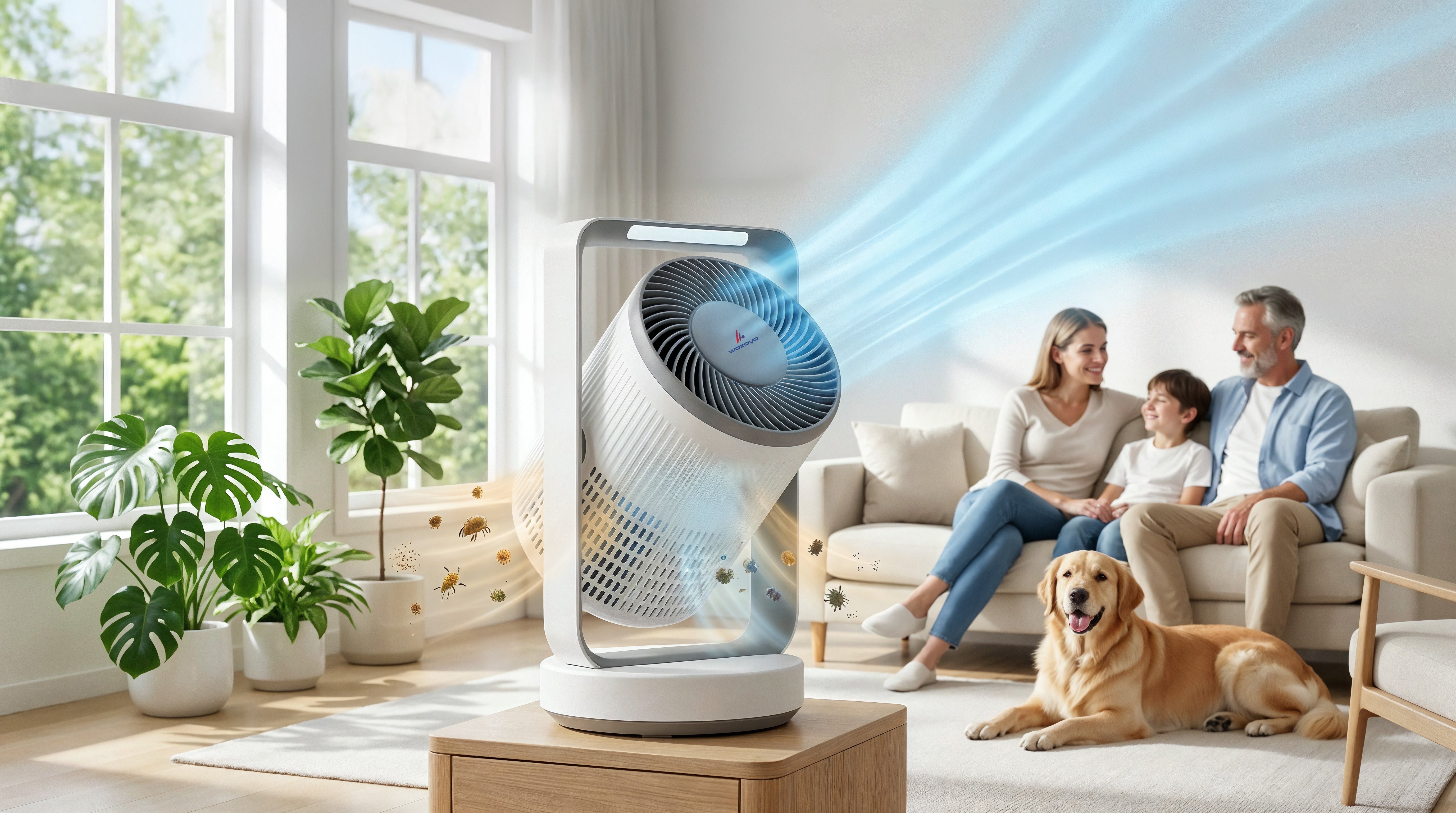
Before understanding how an air purifier cures allergies, you should learn how it functions. An air purifier is mainly a motorized fan, which keeps drawing ambient air to a filtration system, accumulates airborne elements, and circulates filtered and clean air back to the room. Its key objective is capturing PM for allergies. Triggers, such as pet dander and pollen, float in the air for hours before settling on the exterior. An air purifier relieves your immune system's biological load by intercepting such particles when they are airborne, which allows your respiratory system to recover, mainly sleeping.
Features to Consider When Buying an Allergy Air Purifier
You should consider the features below when buying an air purifier to cure allergies:
1. True HEPA Filtration
The type of filter is a major part of an allergy air purifier. You should look for a True HEPA filter since it is certified to capture almost all particles that are as tiny as 0.3 microns. Many common allergens fall in this range. Pollen grains are usually 10 to 100 micrometers, dust mite debris is approximately 10 to 40 micrometers and pet danders are 1 to 10 micrometers. A True HEPA filter easily traps such particles. Avoid buying units promoted as “HEPA-like” or “HEPA-type” as they don't fulfill strict global standards codes and tend to allow mini allergens to slip back into the room
2. Activated Carbon Pre-Filters
HEPA filters can hold solid elements but can't trap odors, gases, or VOCs. An air purifier containing activated carbon secondary layers is highly recommended. Such a layer absorbs chemical fumes and smoke from home cleaners and strong pet aroma that can work as secondary irritants to the respiratory system.
3. Clean Air Delivery Rate (CADR)
CADR determines the efficiency of an air purifier by measuring the amount of clean air it produces. CADR scores are categorized into three types: pollen, dust, and smoke. An air purifier with a high pollen and dust CADR rating is more effective at removing these particles. As a general guideline, the CADR rating should be at least two-thirds of the room’s total square footage.
4. ACH (Air Changes Per Hour)
ACH is the total number of times a machine can filter the full volume of air in a sealed room over an hour. An ACH of 2x/3x works for standard clean air. Allergy patients should go for an anastomosis 5x. It ensures the air is fully scrubbed every 12 to 15 minutes to prevent the accumulation of floating elements.
Identifying Key Allergy Triggers
Choosing an air purifier suited to a specific biological sensitivity will optimize its efficiency.
Pollen (Seasonal Allergies)
Buy a unit with a high ACH rating that you can operate at a high speed in peak spring and autumn mornings. Installing the unit near entryways or windows helps in catching pollen before it spreads.
Pet Dander
Pets shed microscopic saliva proteins and skin flakes consistently. An unit with a washable meshhhh/fabric pre-filer helps in capturing big fur clumps that prevent the premature clogging in the core HEPA filter.
Dust Mites and Mold
They thrive in a humid environment. Combine an air purifier with a dehumidifier and keep internal humidity under 50% to stop reproducing mold while the purifier attracts floating fungal spores.
Room Size and Smart Positioning
An air purifier performs as referenced by a manufacturer’s cross-reference square footage with the real space dimensions you wish to clean. Choosing an undersized unit for a big open-concept living room will cause premature motor wear and poor filtration.
Where Should You Place an Air Purifier
Do these things below when placing an air purifier:
Bedroom
We sleep for 7-8 hours every day. An air purifier in your bedroom can give you relief from morning congestion and uninterrupted breathing.
Maintain Clear Boundaries
Don't tuck the air purifier into a corner under a table, behind clearance on every side to maintain limitless airflow.
Upgrade for Certain Targets
Floor placement is okay if you filter for heavy pollen. Positioning the unit on a dresser/nightstand can boost capture rates if you filter for extremely light smoke/per dander.
Mistakes to Avoid When Buying an an an an Air Purifier
You tend to encounter ozone generators or ionic purifiers when buying an air purifier. Certain ionizers are safe when perfectly insulated. Asthma and allergy sufferers should strictly avoid machines that output ozone as part of a cleaning process. Ozone, a lung irritant, can trigger respiratory inflammation, shortness of breath, and asthma, as well chest pain that helps in removing particles.
Ownership Maintenance and Cost
The labelled price is a part of the investment when buying an air purifier. You should consider continuous operational maintenance to purify indoor air.
Filter Replacement Costs
True HEPA filters usually stay for 6 to 12 months. Activated carbon filters need to be replaced every month. Check the filter replacement costs before buying a machine.
Noise Levels
You should check the decibel ratings. When a machine sounds like a jet engine on the medium setting, you should switch it off considering it less. Browse models with a dedicated Sleep Mode that reduces noise levels under 25 to 30dB.
Energy Use
An air purifier should keep running on auto/low settings to effectively control allergies. Find an Energy Star-certified model so the utility bills don't increase.
The Bottomline
Buying an air purifier is a big black investment in health, productivity, and comfort. Buying a unit with a certified True HEPA filter ensures it suits a room’s square footage with a strong 4×ACH rating and maintains filter schedules. It can drastically reduce indoor exposure to biological triggering elements. You should stop allowing ambient indoor pollution to affect how you feel in your home. Buy the right purifier following the guide above to relax and enjoy a clean environment all year.